
Home / Planning Notes / Reading Inclusions and Exclusions
Planning note 2 · What the price covers
Most operator tour listings carry two short lists: what the price includes and what it doesn’t. They’re easy to skim past, yet they decide what you’ll actually pay and what you’ll need to arrange yourself. Meals, park entry, accommodation and extra charges are all things to confirm on the listing, never things to assume.
This note shows you how to read those lists, why wording like “fully inclusive” needs a second look, and what to ask the tour operator when something isn’t clear.
Written by Oleksandr Goncharenko, Founder and CEO
Tours sold under similar names can list quite different inclusions. These four items are where a gap can change your plans the most, so read each one against the current operator listing, not a summary or an older page.
Meals
Check which meals are listed, if any, and on which days. If the listing doesn’t mention breakfast before an early pickup, or dinner after a long drive, plan as if it isn’t covered.
Park entry
Check whether park entry appears under inclusions or exclusions. If the listing says nothing either way, ask the operator before you book rather than treating it as part of the price.
Accommodation
On multi-day tours, check which nights are covered and what kind of accommodation is listed. If the tour finishes at Yulara, check what happens after the finish. Our guide to return and finish locations covers this in more detail.
Extra charges
Look for optional activities, surcharges, change fees and anything paid on the day. These belong next to the price in the listing and the booking terms, so you can see the full cost before you check availability.

A straight highway through red outback country.
“Fully inclusive”, “all-inclusive” and “everything included” are descriptions, not lists. They can mean different things on different tour listings. One operator might use the phrase for meals and accommodation, while another might only mean transport and guiding. The words alone won’t tell you which.
Treat that kind of wording as a prompt to read the itemised inclusions and exclusions. If a listing has no itemised list at all, ask the operator before you go any further.
A QUICK TEST
For each item that matters to you, can you point to the line on the listing that says it’s included? If you can’t, it isn’t confirmed yet.
Whatever a listing says, it doesn’t override your rights under Australian Consumer Law.
The tour operator runs the tour, so the operator is the one who can confirm what the price covers. These short questions work for most listings:
Q1 Which meals are included, and on which days?
Q2 Is park entry part of the price, or paid separately?
Q3 If accommodation is included, which nights and what type?
Q4 Are there any charges that aren’t shown in the listed price?
Q5 Where does the tour finish, and what isn’t covered after that?
If you can, get the answers in writing so they sit alongside your booking terms. If you’d like help working out what to ask about a particular tour, send us a note.
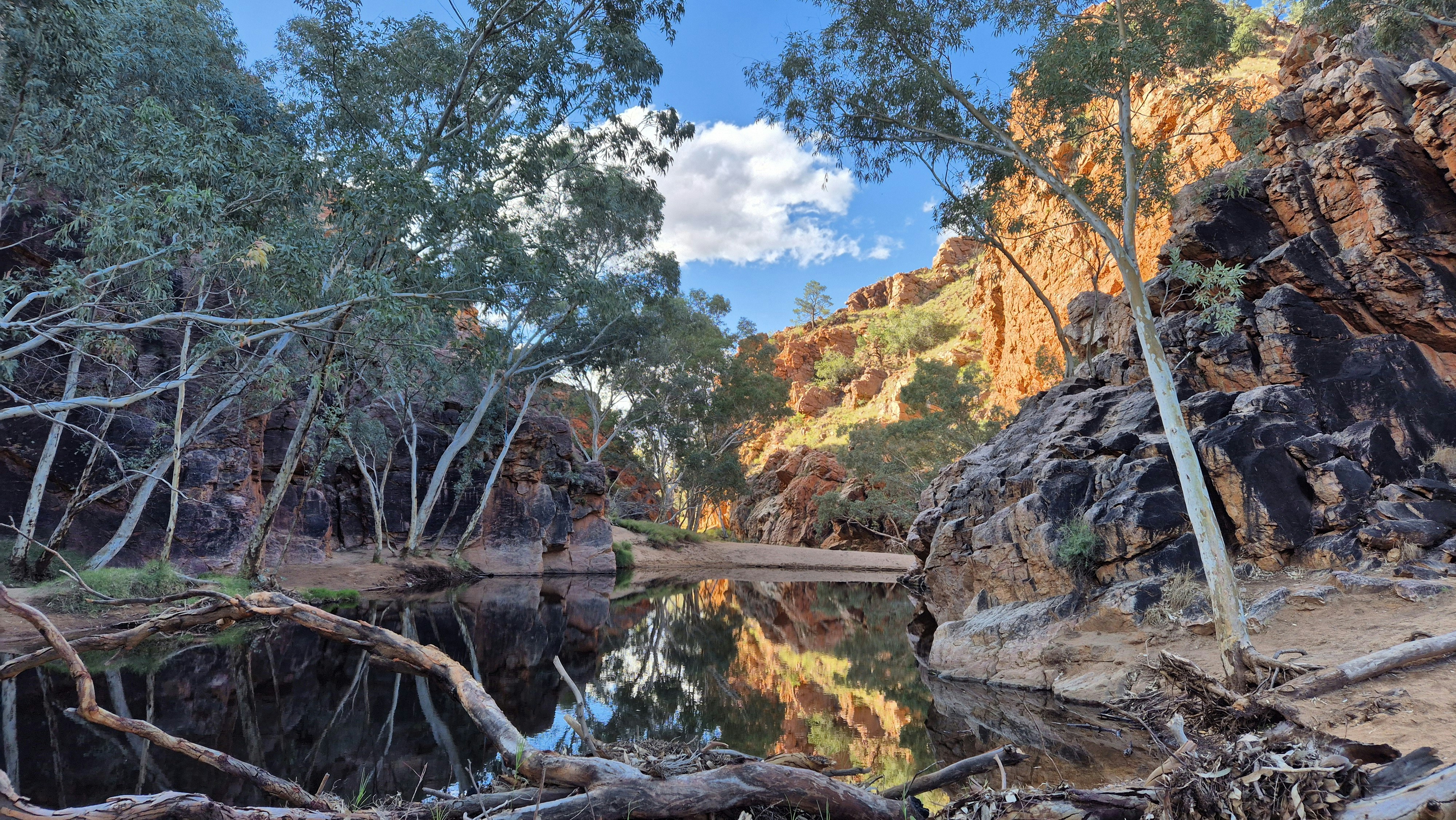
A wooded red-rock gorge with a still pool in Central Australia.
How to Compare a Tour Listing — the full checklist, from operator to booking terms.
Same Name, Different Tour — why similar tours can differ in pickup, access conditions and inclusions.
Understanding Booking Terms Before You Book — changes, cancellations and who you book with.
Our Listing Standards — what a tour has to show before we add it.